
India · Food
Food bloggers in India: how to grow a page people actually trust
By EBOXX Platforms · · 3 min read
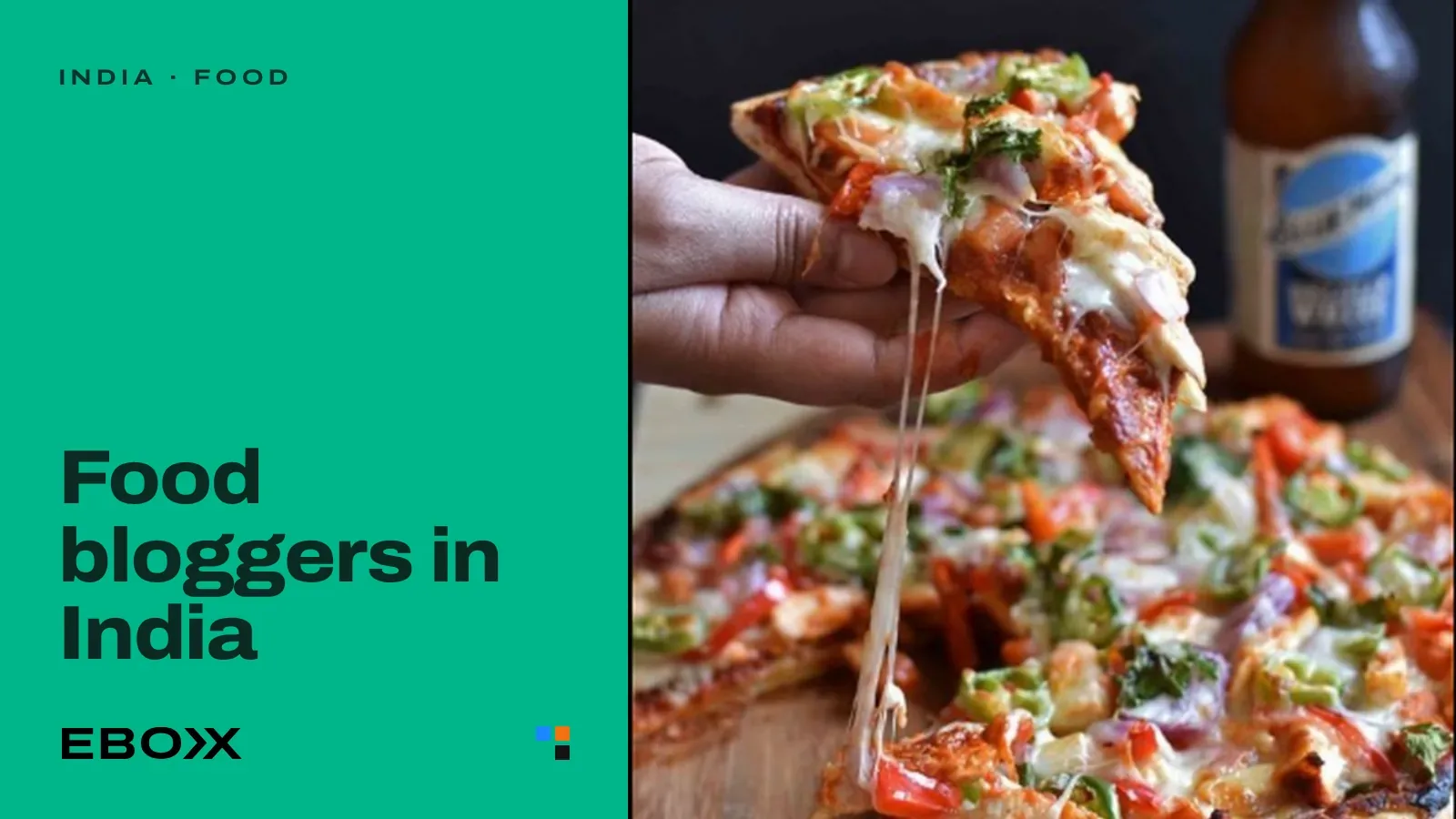
India might have the most exciting food culture in the world to film: regional dishes that change every hundred kilometres, street food at every corner, and new cafés opening every week. The challenge for food bloggers in India isn’t finding things to film. It is earning the kind of trust that makes people actually go and eat where you tell them to.
Short video is where food is discovered
In a 2026 study commissioned by Meta and run by IPSOS across more than 4,000 people, 97% of surveyed internet users in India said they watch videos on Meta’s platforms daily, and Reels drove 81% of initial product discovery. It is a study from the platform itself, but it shows how much discovery now starts with a short video.
Find a food niche you can own
- A city or neighbourhood: “Old Delhi after dark”, “Chennai tiffin trail”.
- A budget: “Lunch under ₹200”.
- A diet: vegetarian, Jain, vegan or high-protein finds.
- A cuisine: Kerala seafood, Bengali sweets, Naga kitchens, Irani cafés.
- A story: family-run spots, chefs’ journeys, recipes behind regional classics.
Reels that people save and share
- Show the dish in the first two seconds.
- Put the name, area and price on screen.
- Give a clear verdict: must-try, worth it, or skip.
- End with one practical tip: best time to go, what to pair it with, how spicy it is.
- Use the local language your audience prefers. Regional creators are some of India’s fastest-growing.
Point people to the dishes that matter
Long menus are hard to read on a phone. FoodFollow, available in India and the UAE, shows each restaurant’s Top 9 dishes, so diners spend less time scrolling and more time eating well. They can follow food they love, order in a tap and earn dining vouchers. For food bloggers, it is a simple way to say: these are the dishes I would order.
If your content also covers cafés, stays and weekend trips, Fynd Follow helps people discover them through the creators they follow.
Working with restaurants
- Agree upfront whether the meal is hosted, paid or both.
- Label hosted meals clearly with “Free gift”, “Collaboration” or “Ad”.
- Keep your honest verdict. Your audience follows you for it.
- Respect kitchens and staff: ask before filming, and don’t block service.
- Avoid health claims you can’t support, like a dish being a cure for anything.
Plan around India’s food calendar
- Festivals. Diwali sweets, Ramadan food walks, Onam sadya, Pongal, Christmas bakes and more.
- Monsoon. Chai, pakoras and comfort food guides.
- Winter. Seasonal specials, from sarson ka saag to gajar halwa.
- Summer. Mango season, coolers and street-side refreshments.
Seasonal content is searched for every year, so a good festival guide can keep working long after you post it.
How to tell what’s working
Likes feel good, but they rarely tell you whether people trust you. Watch the signals that show real intent:
- Saves. People keep posts they plan to use.
- Shares and sends. Your content is being recommended to friends.
- Profile visits and follows after a post. The post made people want more of you.
- Comments with questions. A sign people are planning to act.
- Messages from brands or venues. Proof your audience is valuable to them.
Review your top ten posts every month. Look for patterns in topic, format and length, and make more of what works.
Frequently asked questions
How do I become a food blogger in India?
Pick a clear niche, post short videos with dish names, prices and honest verdicts, use the language your audience prefers, and label any hosted meals clearly.
Do food bloggers in India need to disclose free meals?
Yes. Under ASCI guidelines, free meals count as a material connection, so posts need a clear label such as “Free gift” or “Collaboration”.
Is FoodFollow available in India?
Yes. FoodFollow is available in India and the UAE.